MACHINING
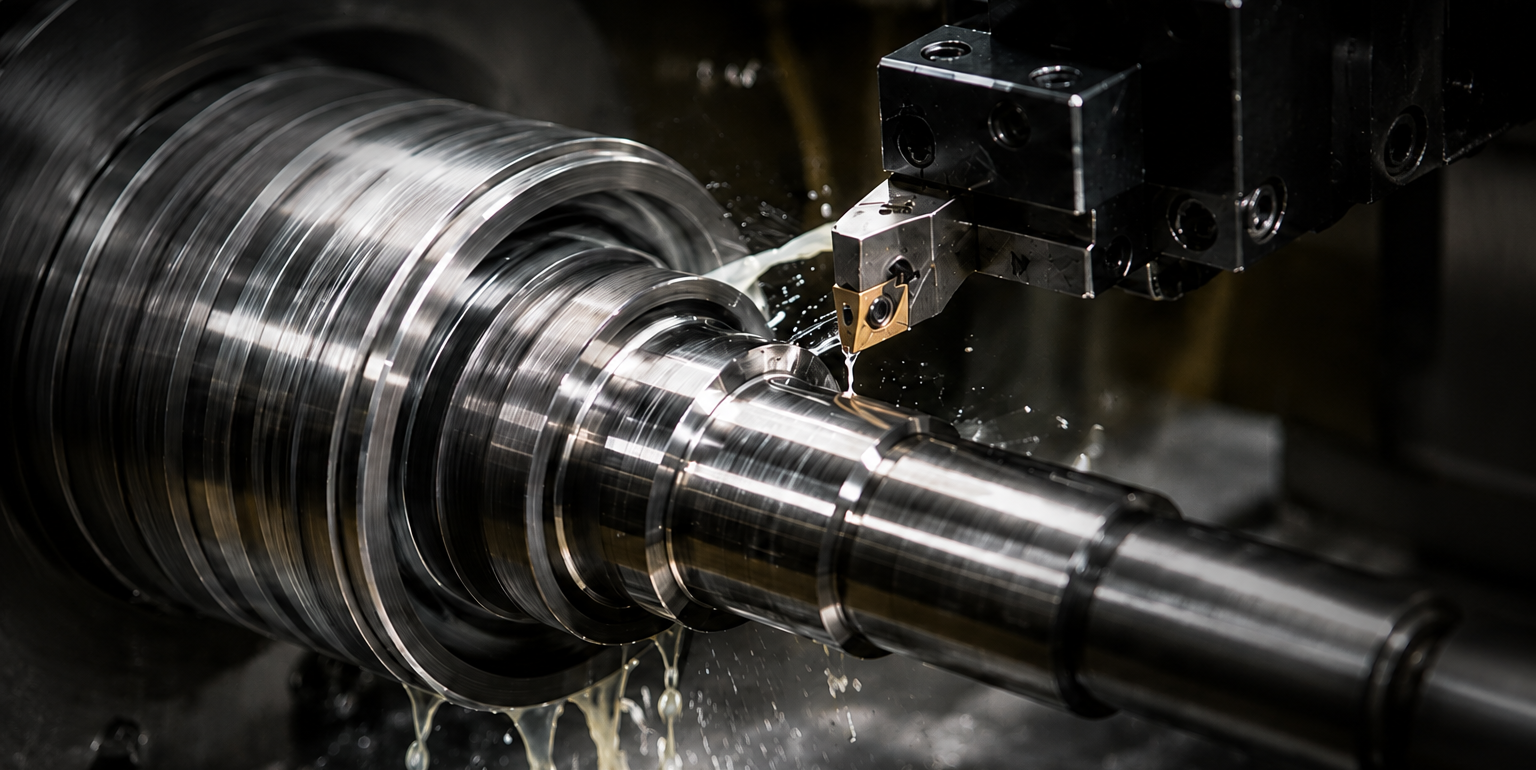
PRECISION MACHINING
Machining processes featuring high dimensional control for the refurbishment, manufacturing, preparation, and finishing of industrial components.
✓ Dimensional restoration and geometric correction
✓ Strict tolerance control
✓ High-precision finishing
✓ Component manufacturing and reconstruction
✓ Preparation and finishing for coatings and welding
✓ Integration with surface engineering
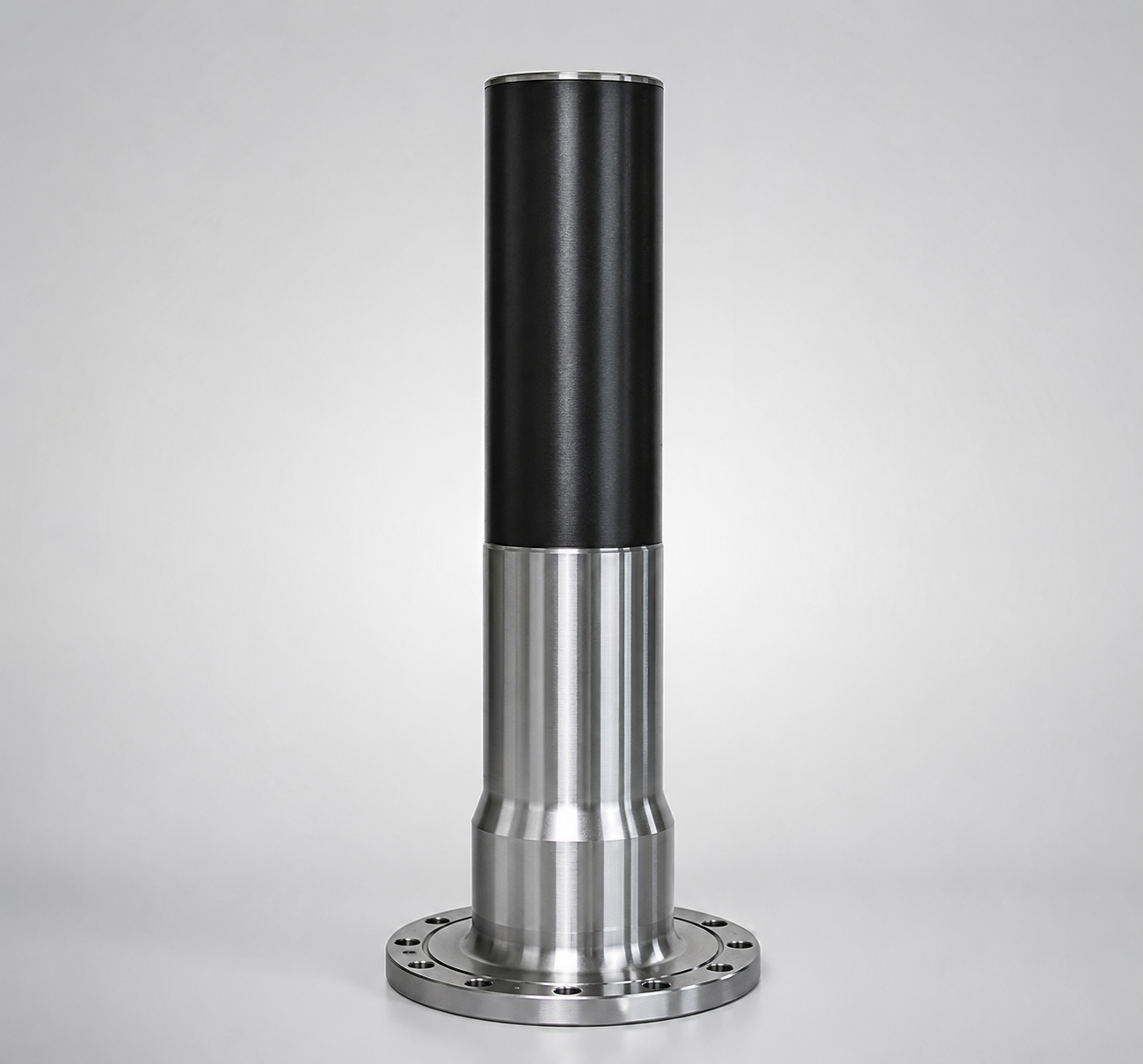

WHEN TO USE TECHNICAL WELDING
Recommended for components requiring:
✓ Dimensional restoration
✓ Correction of geometry and critical tolerances
✓ Fabrication or reconstruction of parts
✓ Surface preparation for coatings
✓ Finishing after welding or coating application
✓ Restoration of functional conditions
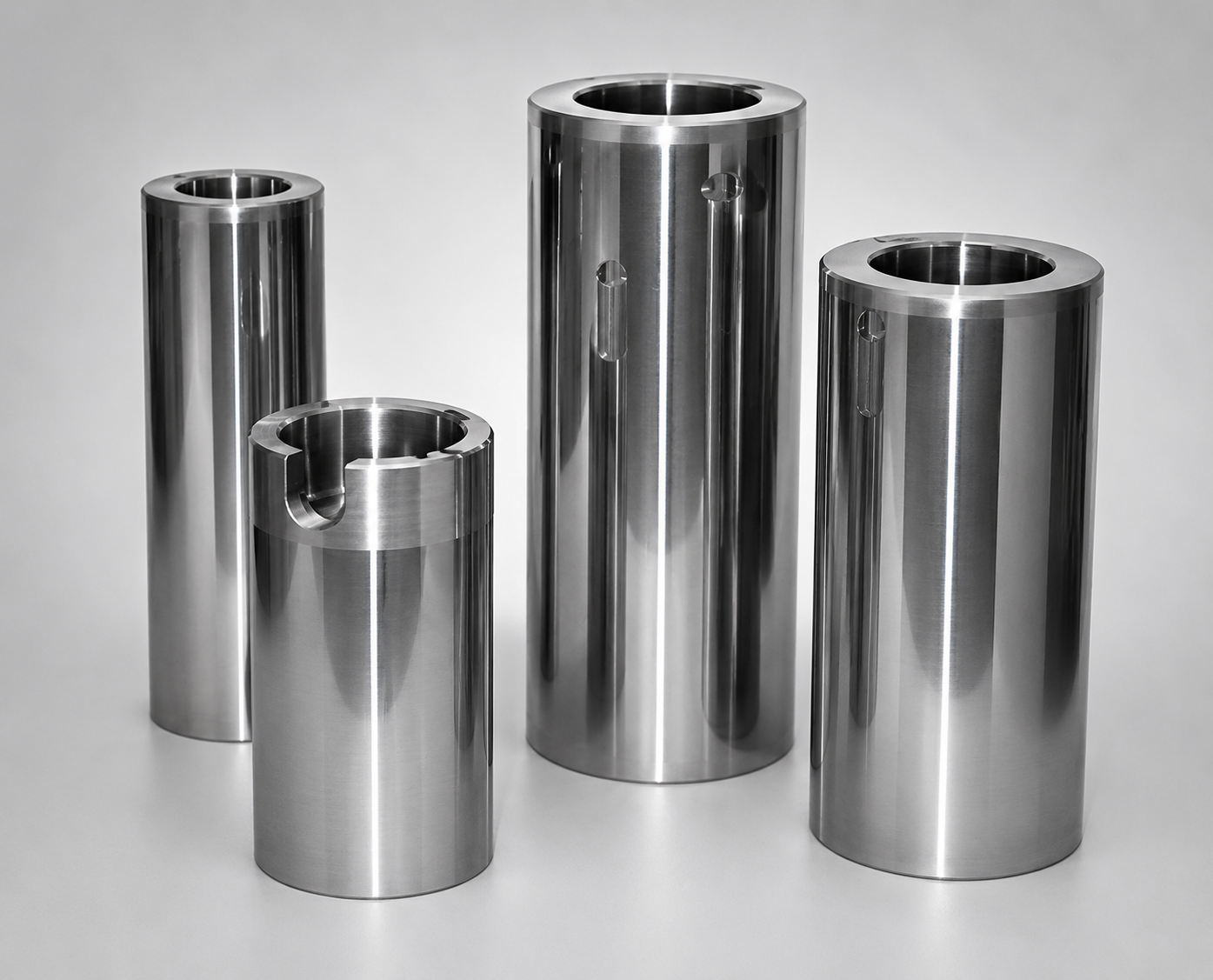
AVAILABLE PROCESSES
• Turning
• Milling
• Boring
• Rectification
• Superfinishing
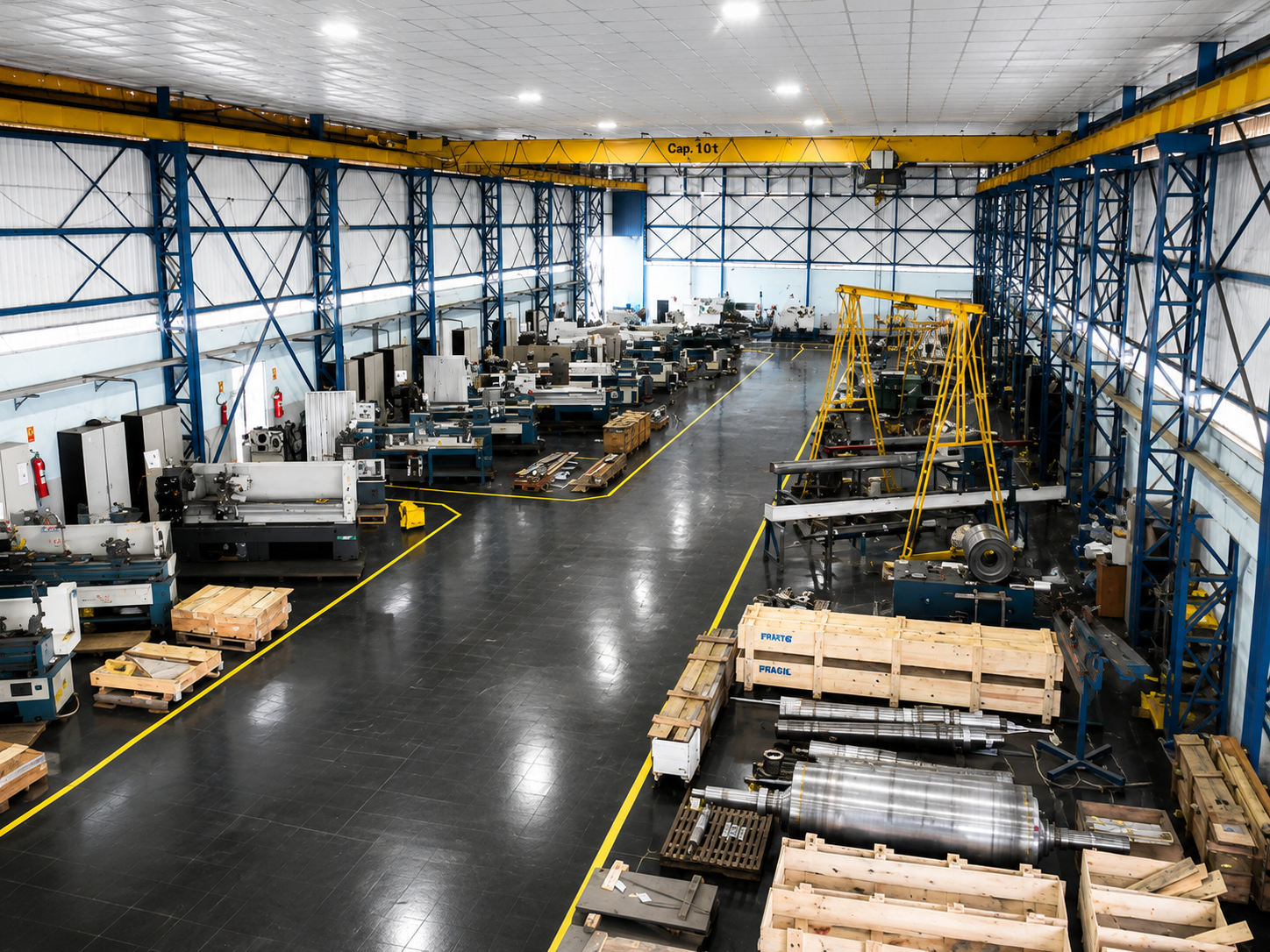
KEY COMPONENTS SERVICED
✓ Industrial shafts, rollers, and cylinders
✓ Casings and housings
✓ Flanges, bushings, and bearings
✓ Rotating components
✓ Large-scale parts
✓ Components with tight tolerances
✓ Parts undergoing dimensional restoration
TURNING
TURNING
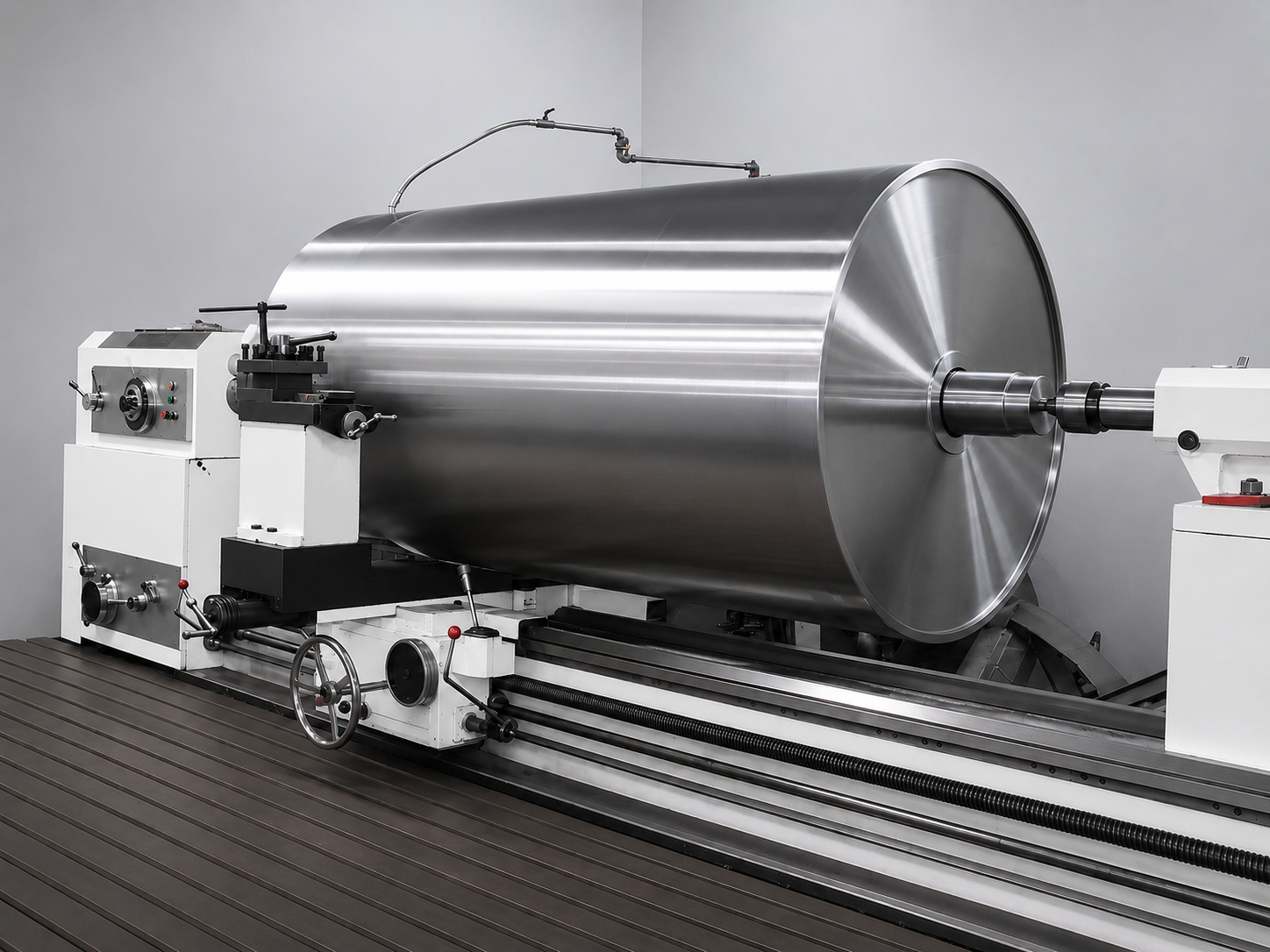
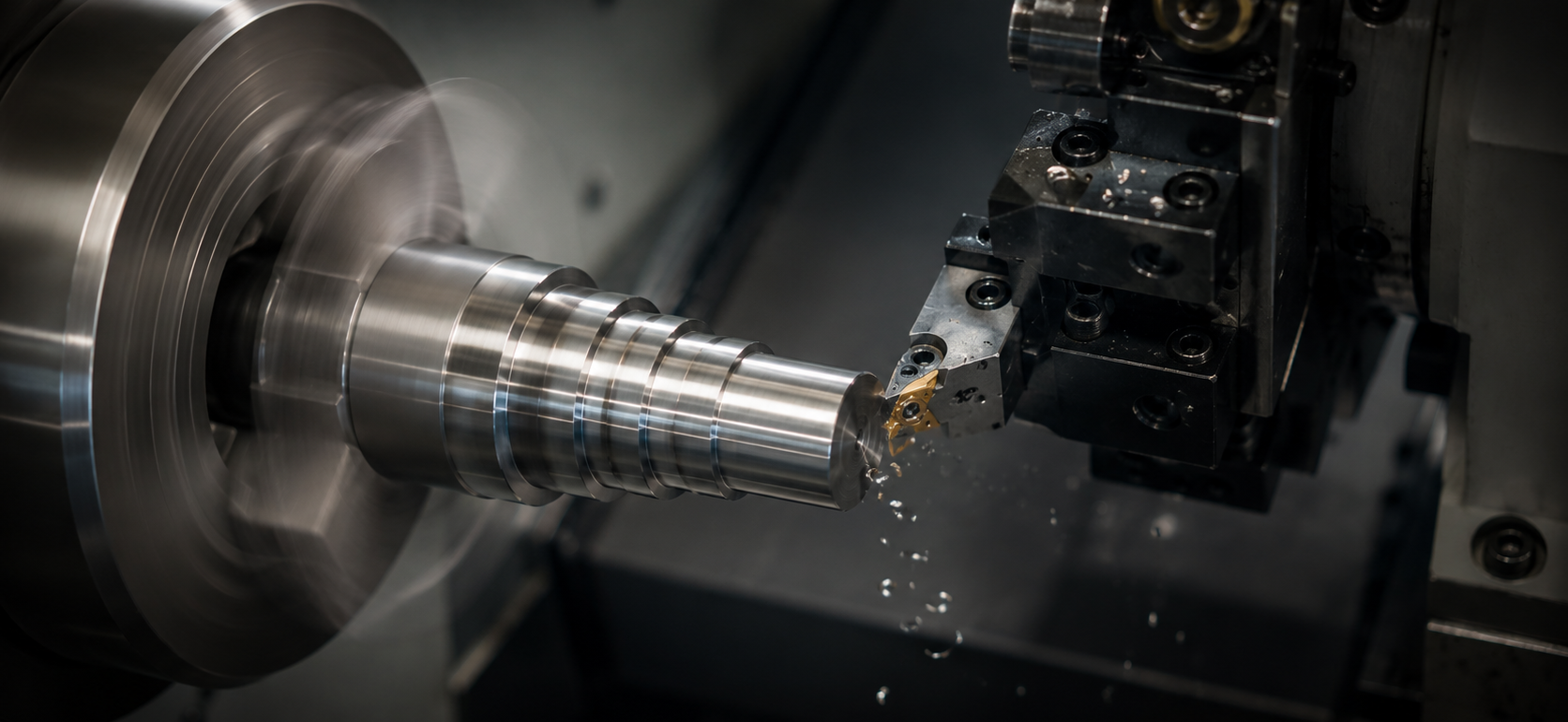
A precision machining process used for dimensional restoration, manufacturing, geometric correction, and finishing of industrial cylindrical components.
✓ Dimensional restoration and geometric correction
✓ Strict control of diameters and tolerances
✓ High precision and repeatability
✓ Preparation for coatings and subsequent
✓ High-precision finishing
TURNING TECHNOLOGY
In turning, the workpiece rotates while the tool removes material in a controlled manner.
The process allows for machining external and internal surfaces, correcting geometries, adjusting diameters, and achieving specific dimensions and finishes for each component.
WHEN TO USE TURNING
Recommended for components requiring:
✓ Restoration of worn cylindrical surfaces
✓ Adjustment of diameters and tolerances
✓ Geometric correction
✓ Manufacturing or reconstruction of components
✓ Preparation for coating application
✓ Finishing after welding or thermal spraying
✓ Restoration of dimensional and functional conditions
KEY COMPONENTS SERVICED
✓ Industrial corridors
✓ Rollers and cylinders
✓ Buchas e mancais
✓ Flanges and cylindrical
✓ Rotating components
✓ Parts restored via welding
✓ Components with thermal spray coatings
MILLING
MILLING
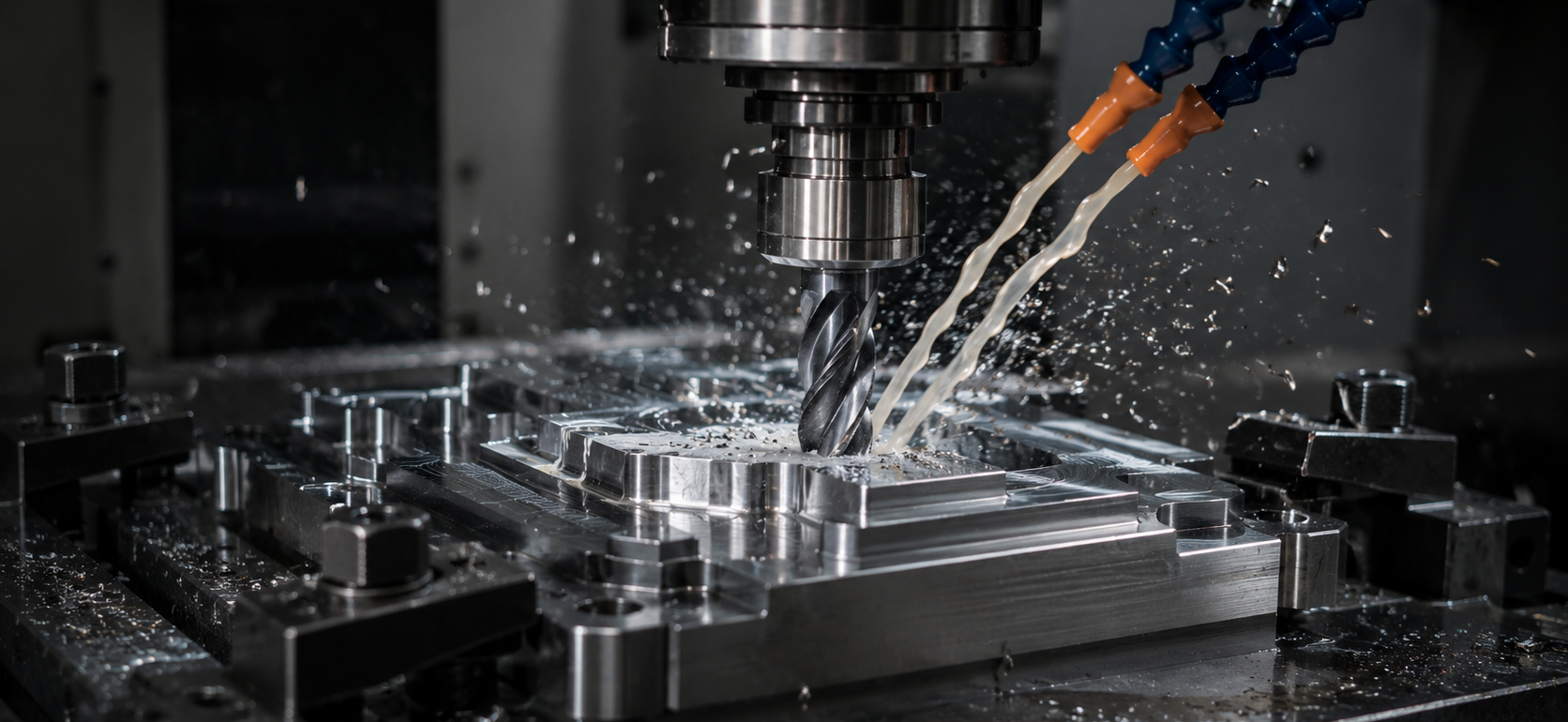
A precision machining process used for manufacturing, dimensional restoration, geometric correction, and the creation of surfaces, channels, slots, and recesses in industrial components.
✓ Dimensional restoration and geometric correction
✓ High dimensional and geometric precision
✓ Manufacturing of complex geometries
✓ Versatility regarding shapes and dimensions
✓ Excellent repeatability and surface finish
MILLING TECHNOLOGY
In milling, rotating tools remove material from the workpiece in a controlled manner.
The process enables the production of flat surfaces, channels, slots, recesses, contours, and complex geometries with high dimensional and geometric control.
WHEN TO USE MILLING
Recommended for components requiring:
✓ Dimensional restoration
✓ Adjustment of surfaces and critical dimensions
✓ Geometric correction
✓ Machining of channels, slots, and recesses
✓ Production of complex geometries
✓ Manufacturing of components based on technical drawings
✓ Finishing after welding or coating
✓ Preparation for subsequent processes
KEY COMPONENTS SERVICED
✓ Industrial bases and supports
✓ Flanges and housings
✓ Plates and structural components
✓ Parts with channels, slots, and recesses
✓ Components with complex geometries
✓ Technical parts manufactured to drawing specifications
✓ Components restored via welding or coating
BORING
BORING
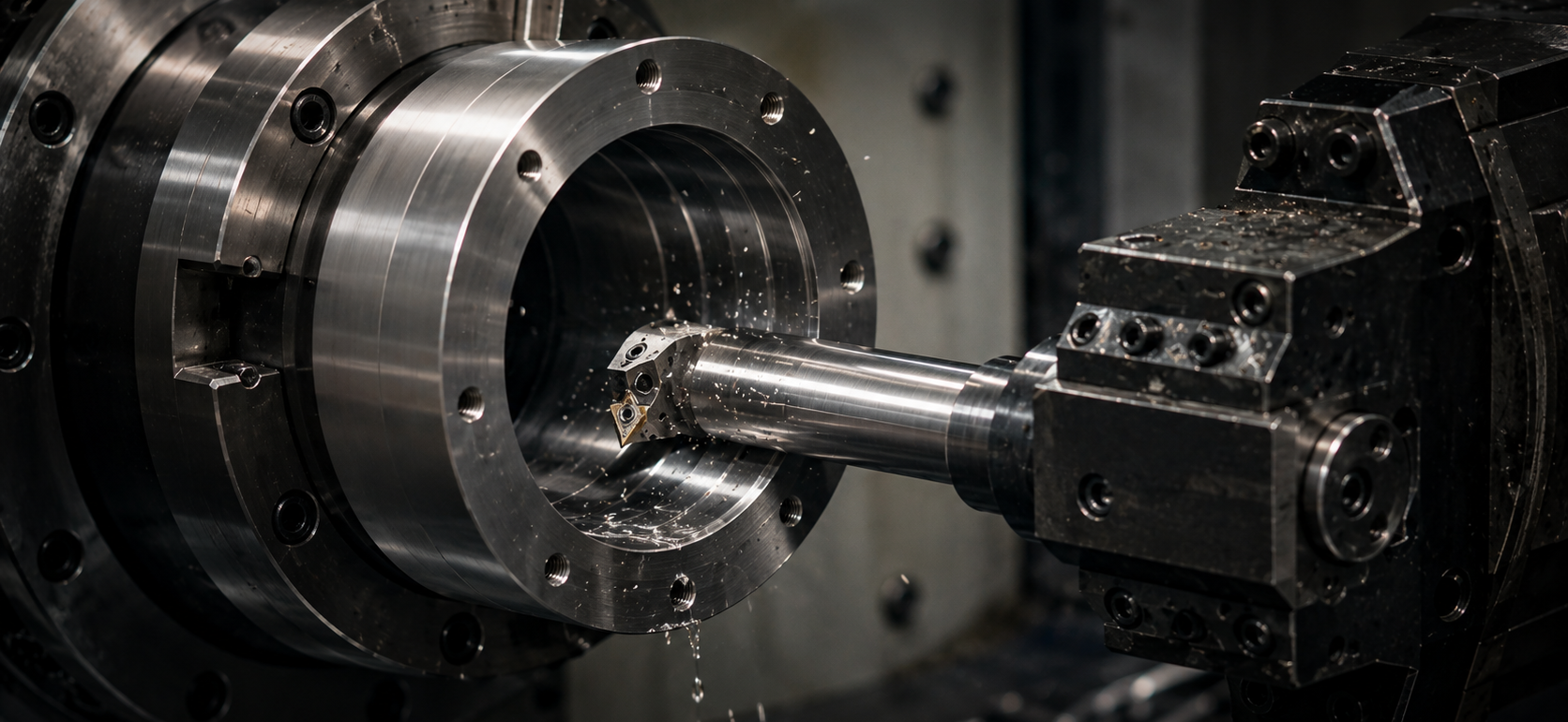
A precision machining process used for the manufacturing, adjustment, restoration, and finishing of holes, housings, and internal diameters in industrial components.
✓ Restoration of housings and internal diameters
✓ High dimensional and geometric precision
✓ Correction of concentricity and alignment
✓ Strict tolerance control
✓ Integration with welding and dimensional restoration
BORING TECHNOLOGY
Boring is a machining process designed for the manufacturing, enlargement, correction, and finishing of holes and internal cylindrical surfaces.
The process allows for adjusting diameters, correcting misalignments, and restoring the concentricity and geometry of components in accordance with the technical specifications of each application.
WHEN TO USE BORING
Recommended for components requiring:
✓ Restoration of worn housings
✓ Adjustment of holes and internal diameters
✓ Correction of misalignments
✓ Restoration of concentricity
✓ Restoration of bearing seats
✓ Finishing of internal cylindrical surfaces
✓ Dimensional adjustments for precision assembly
KEY COMPONENTS SERVICED
✓ Casings and housings
✓ Bearings and bearing seats
✓ Cylinders and tubular components
✓ Components with precision holes
✓ Parts with misalignment or loss of concentricity
✓ Large-scale equipment and components
✓ Parts restored via welding or coating
GRINDING
GRINDING
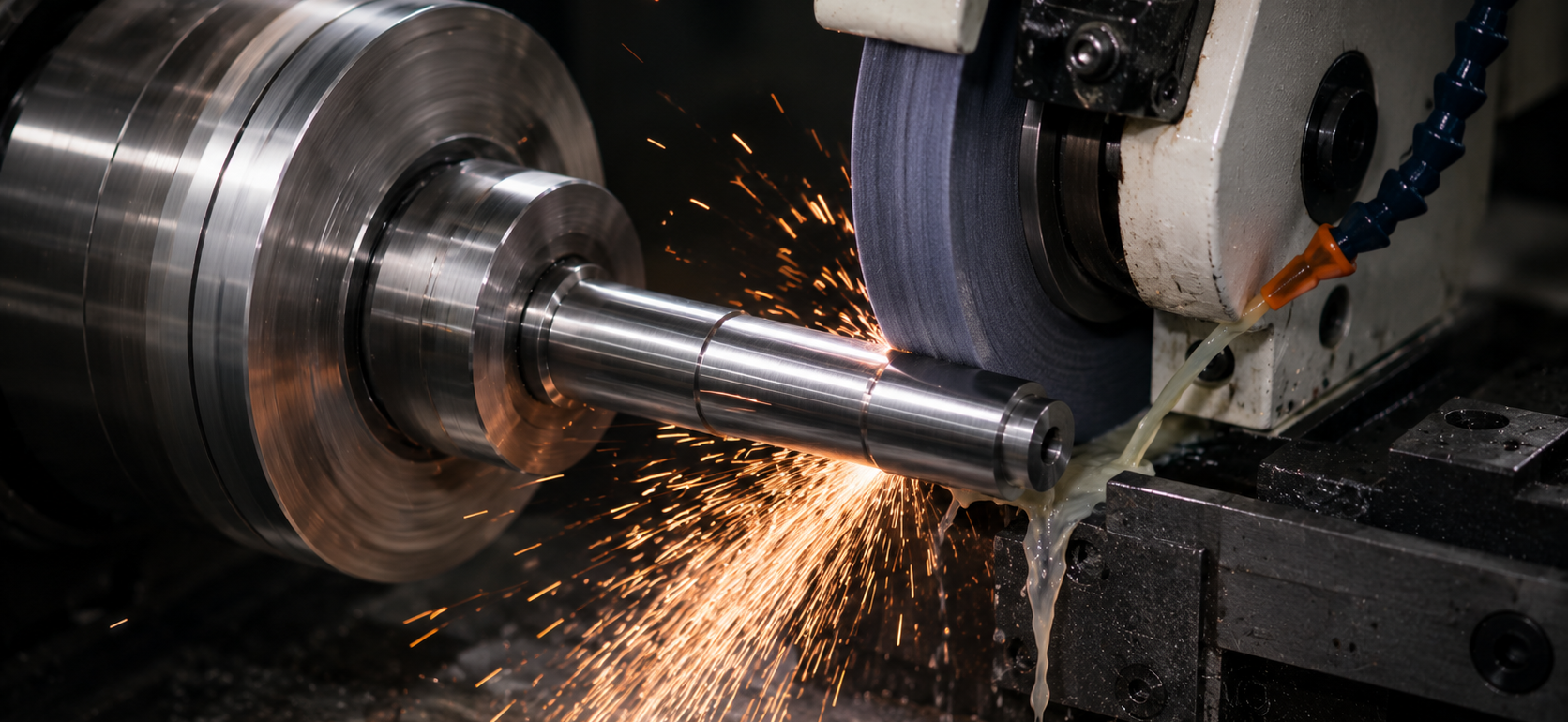
A high-precision machining process used for dimensional restoration, geometric correction, and finishing of industrial components subject to strict tolerances.
✓ High-precision dimensional restoration
✓ Strict tolerance control
✓ Correction of geometric deviations
✓ Excellent surface finish
✓ Preparation and finishing of reclaimed or coated components
GRINDING TECHNOLOGY
Grinding is a precision machining process that uses abrasive wheels to remove small amounts of material in a controlled manner.
The process allows for the correction of dimensions and geometries, the adjustment of tolerances, and the achievement of a high-quality surface finish, thereby restoring the dimensional and functional specifications required for each component.
WHEN TO USE GRINDING
Recommended for components requiring:
✓ High-precision final finishing
✓ Adjustment of strict tolerances
✓ Dimensional restoration
✓ Correction of geometric deviations
✓ Preparation for precision assembly
✓ Finishing after welding or thermal spraying
✓ Restoration of surface and functional conditions
KEY COMPONENTS SERVICED
✓ Industrial corridors
✓ Rollers and cylinders
✓ Rotating components
✓ Precision cylindrical surfaces
✓ Parts with strict tolerances
✓ Components reclaimed via welding
✓ Components with thermal spray coatings
SUPERFINISHING
SUPERFINISHING
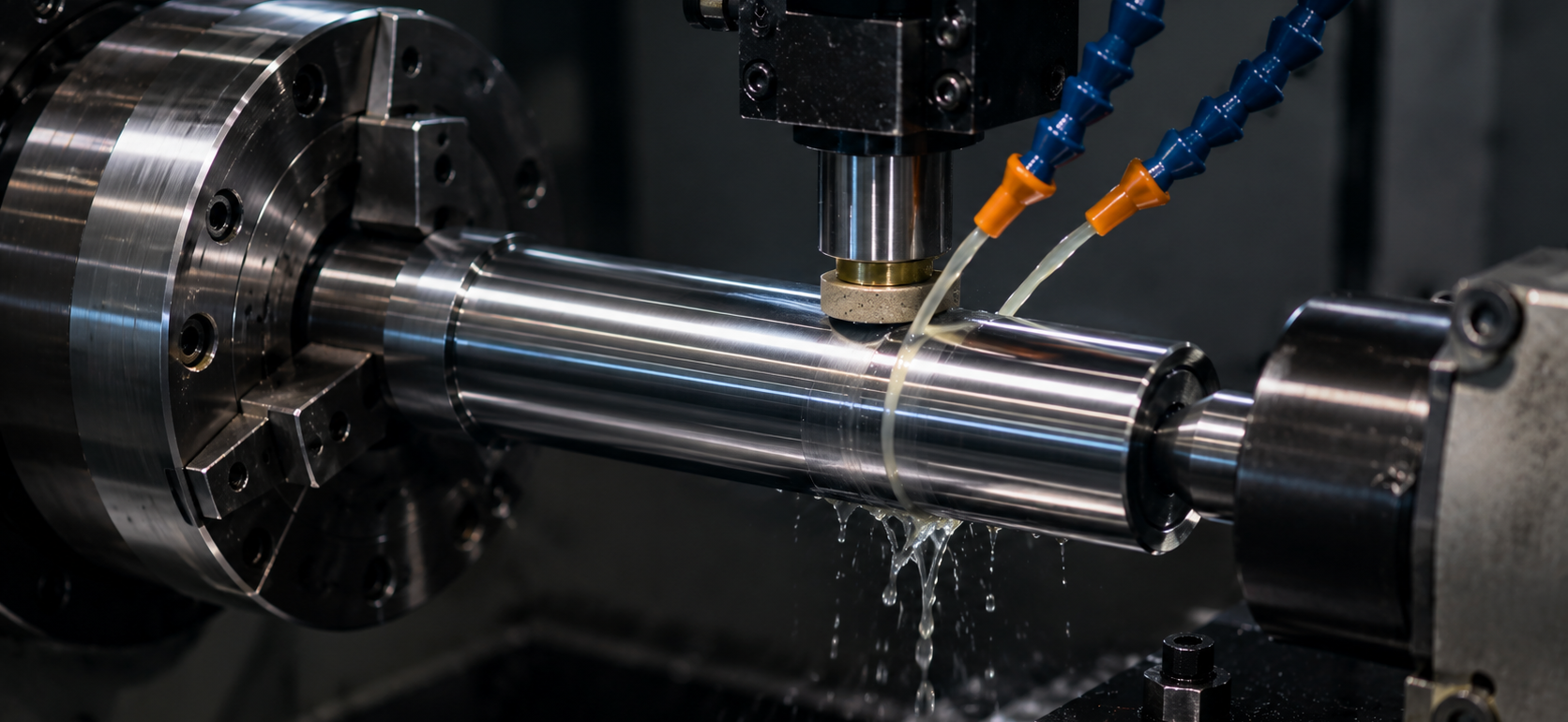
An advanced superfinishing process designed to reduce roughness, friction, and wear on high-performance industrial components.
✓ Reduction of surface roughness
✓ Reduction of friction and wear
✓ Improved contact area
✓ Greater operational stability
✓ High-quality finish
✓ Extended component service life
SUPERFINISHING TECHNOLOGY
Superfinishing utilizes controlled abrasives to remove micro-irregularities from previously machined surfaces, resulting in low roughness and improved contact distribution.
The process helps reduce friction, wear, and mechanical losses, and is applied to components requiring superior surface quality, reliability, and operational performance.
WHEN TO USE SUPERFINISHING
Recommended for components requiring:
✓ Reduction of surface roughness
✓ Control of friction and wear
✓ Improved contact and sliding conditions
✓ High finish standards
✓ Greater operational stability and reliability
KEY COMPONENTS SERVICED
✓ Industrial corridors
✓ Rollers and cylinders
✓ Precision rotating components
✓ Contact and sliding surfaces
✓ Components subject to friction and wear
✓ Parts with stringent finish requirements