THERMAL SPRAY COATINGS
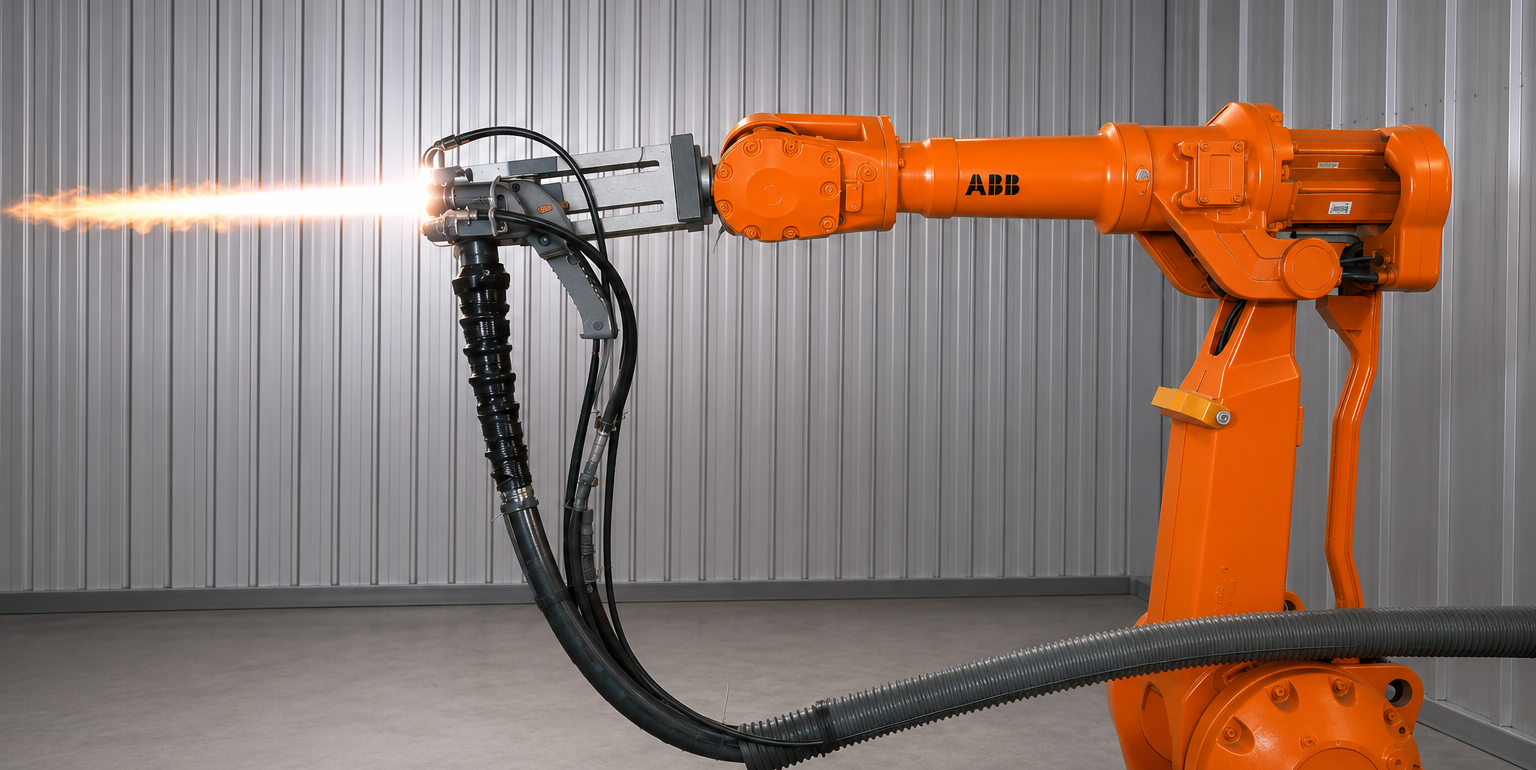
Thermal Spray Coatings for Maximum Industrial Performance
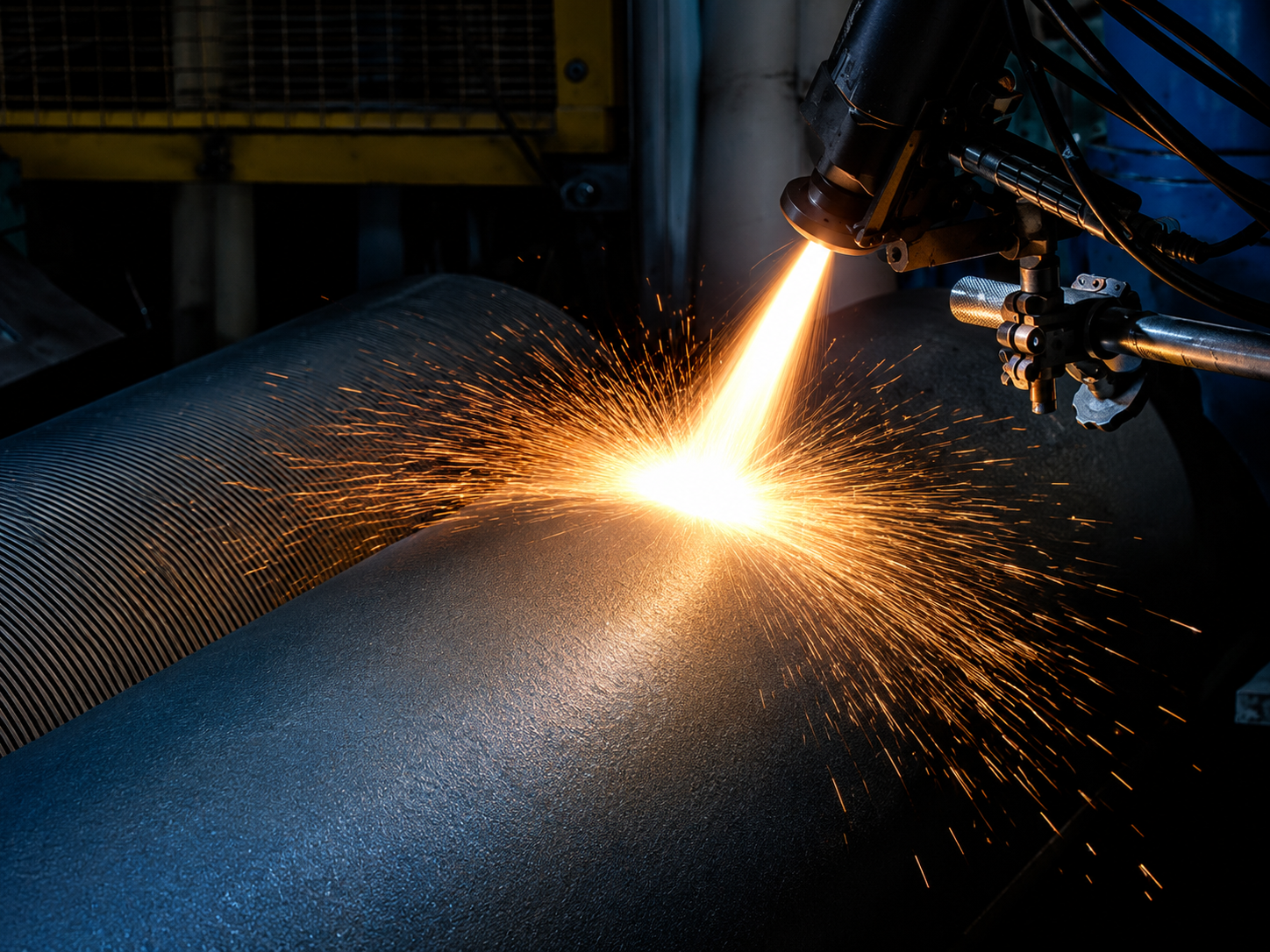
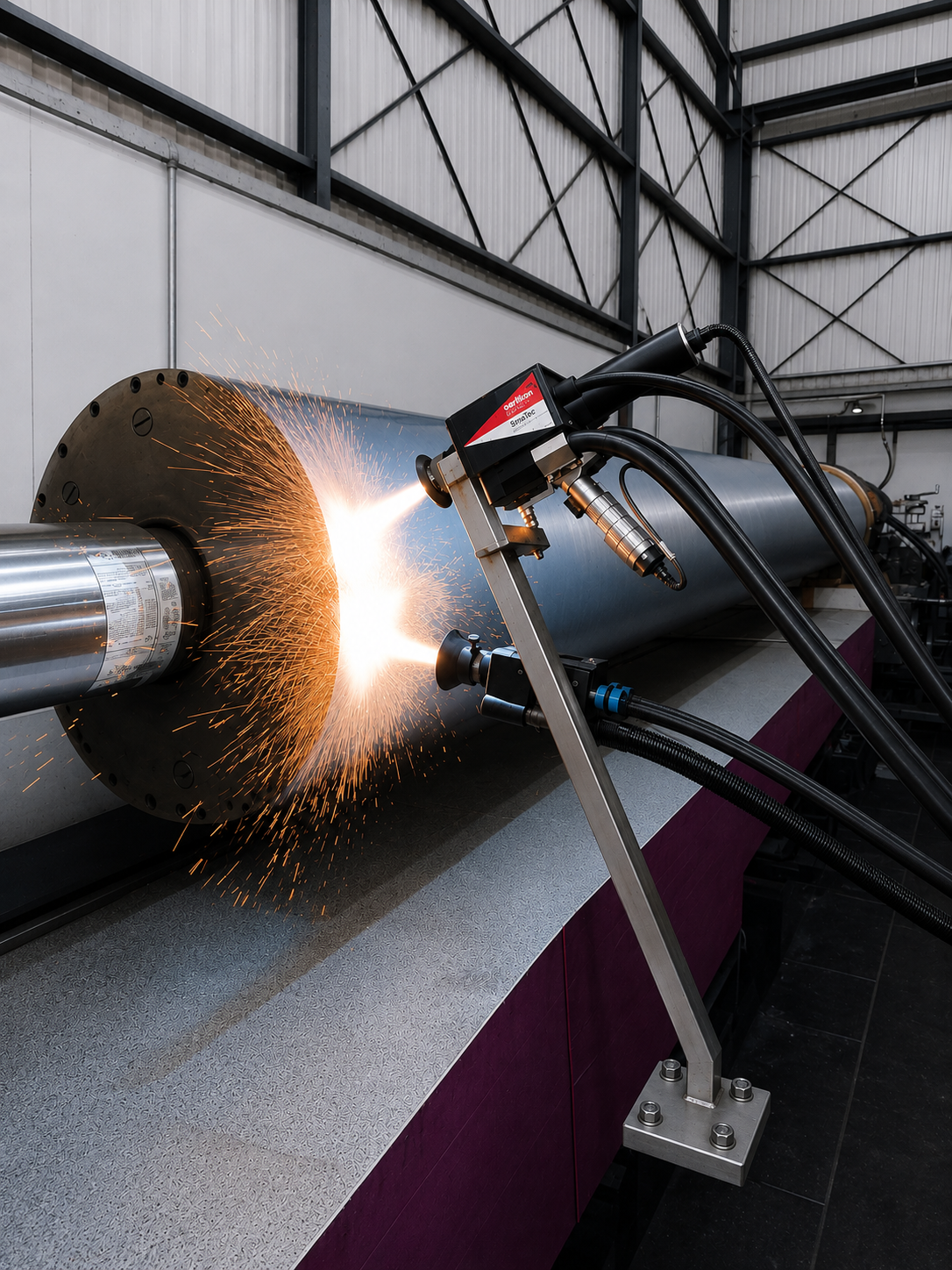
Thermal spraying encompasses various coating processes in which metallic, ceramic, or composite materials are heated and projected onto a previously prepared surface, forming layers with properties specific to each application.
These coatings extend the service life and performance of components, protect them against various wear mechanisms, and restore the dimensions and functionality of high-value-added industrial parts.

APPLIED ENGINEERING FOR EACH COATING
Each solution is developed by Revesteel Engineering based on an analysis of actual operating conditions, wear mechanisms, component material, and required performance.
The careful selection of materials, the determination of the most suitable technique, and rigorous process control ensure consistent, reliable coatings tailored to the requirements of each industrial application.
KEY BENEFITS
✓ Increased service life and durability of industrial components
✓ Protection against wear, corrosion, abrasion, erosion, and high temperatures
✓ Dimensional and functional restoration of components
✓ Reduction in the need for part replacement
✓ Reduction in downtime and maintenance costs
✓ Greater reliability, availability, and operational performance
WHEN TO USE
Thermal spray coatings are suitable for
components subject to:
✓ Premature wear
✓ Corrosion in aggressive environments
✓ Abrasion and erosion
✓ Wear or dimensional loss
✓ High temperatures
✓ Recurring operational failures
✓ Need for refurbishment as an alternative to replacement
THERMAL SPRAY TECHNIQUES
• HVOF
• Plasma Spray
• Arc Spray
• Flame Spray
THERMAL SPRAYING
PROCESSES
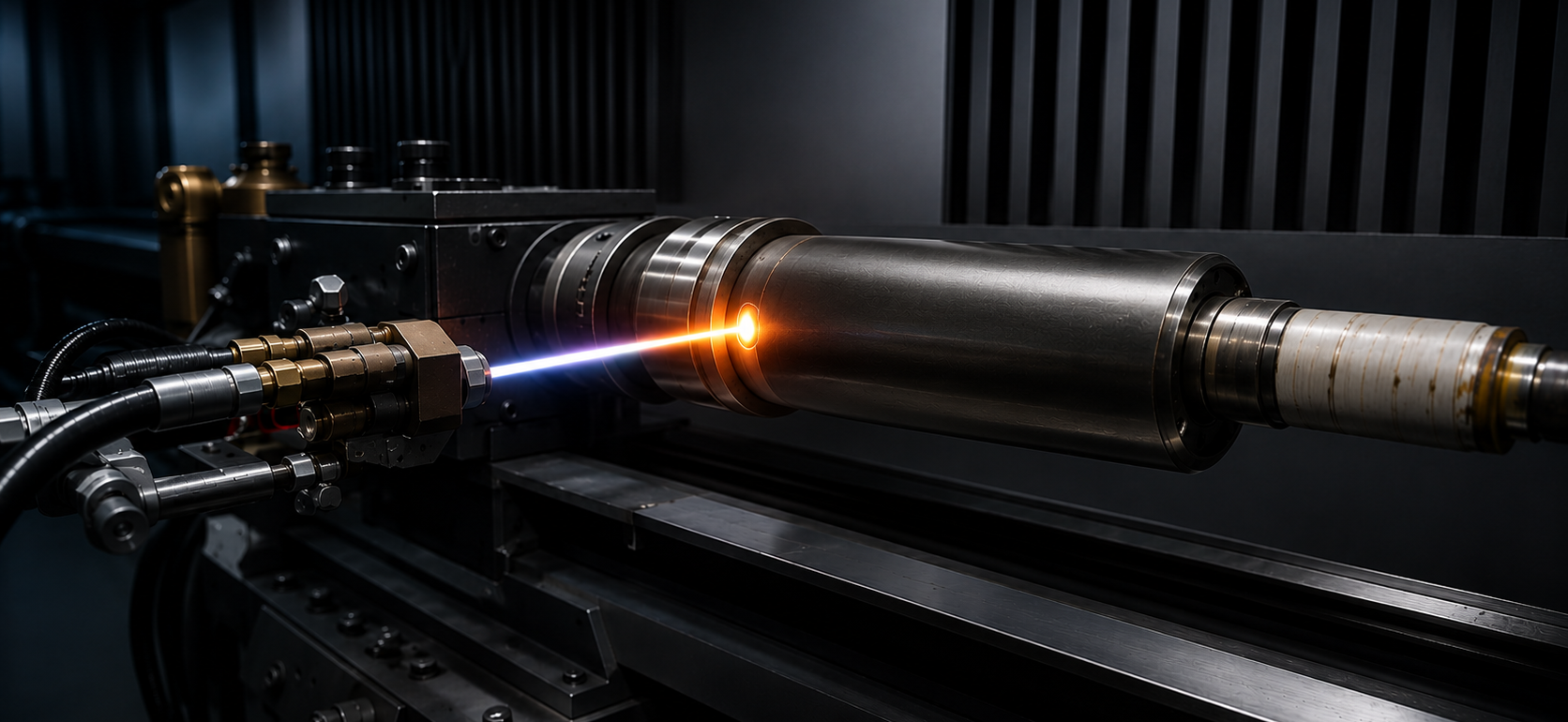
HVOF – HIGH VELOCITY OXYGEN FUEL
HVOF – HIGH VELOCITY OXYGEN FUEL
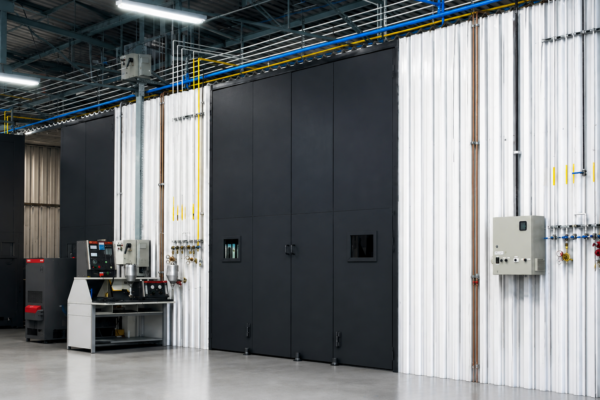
High-velocity thermal spray technology for applying dense coatings with low porosity, high adhesion, and high performance against wear and corrosion.
✓ Extended component service life
✓ Dense, low-porosity coatings
✓ High adhesion to the substrate
✓ High wear and corrosion resistance
✓ High density and excellent structural integrity
✓ Low oxidation during application
✓ High process stability and repeatability
✓ Technical alternative to hard chrome
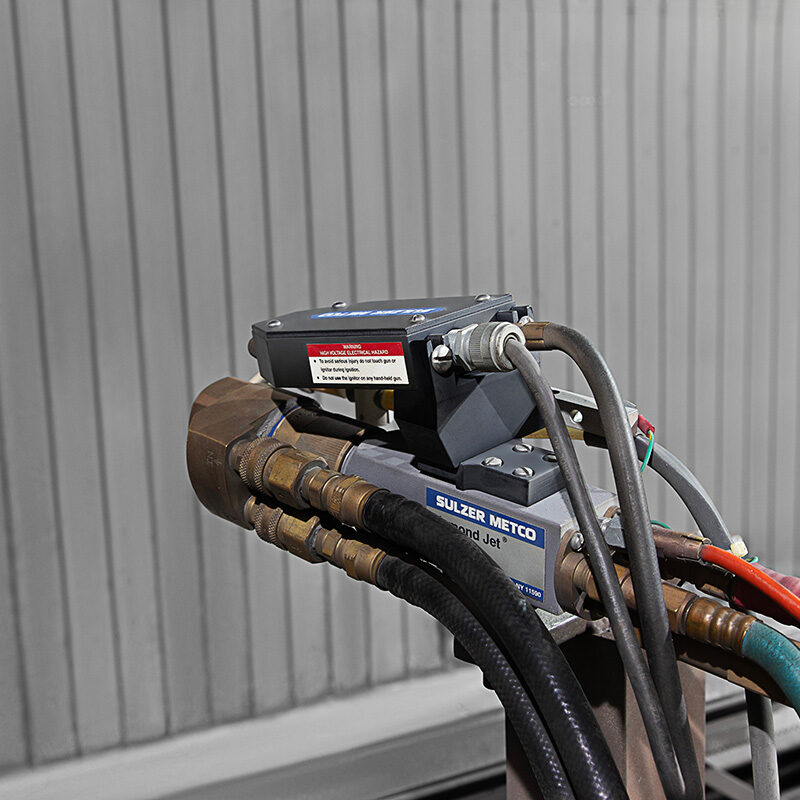
HVOF Technology
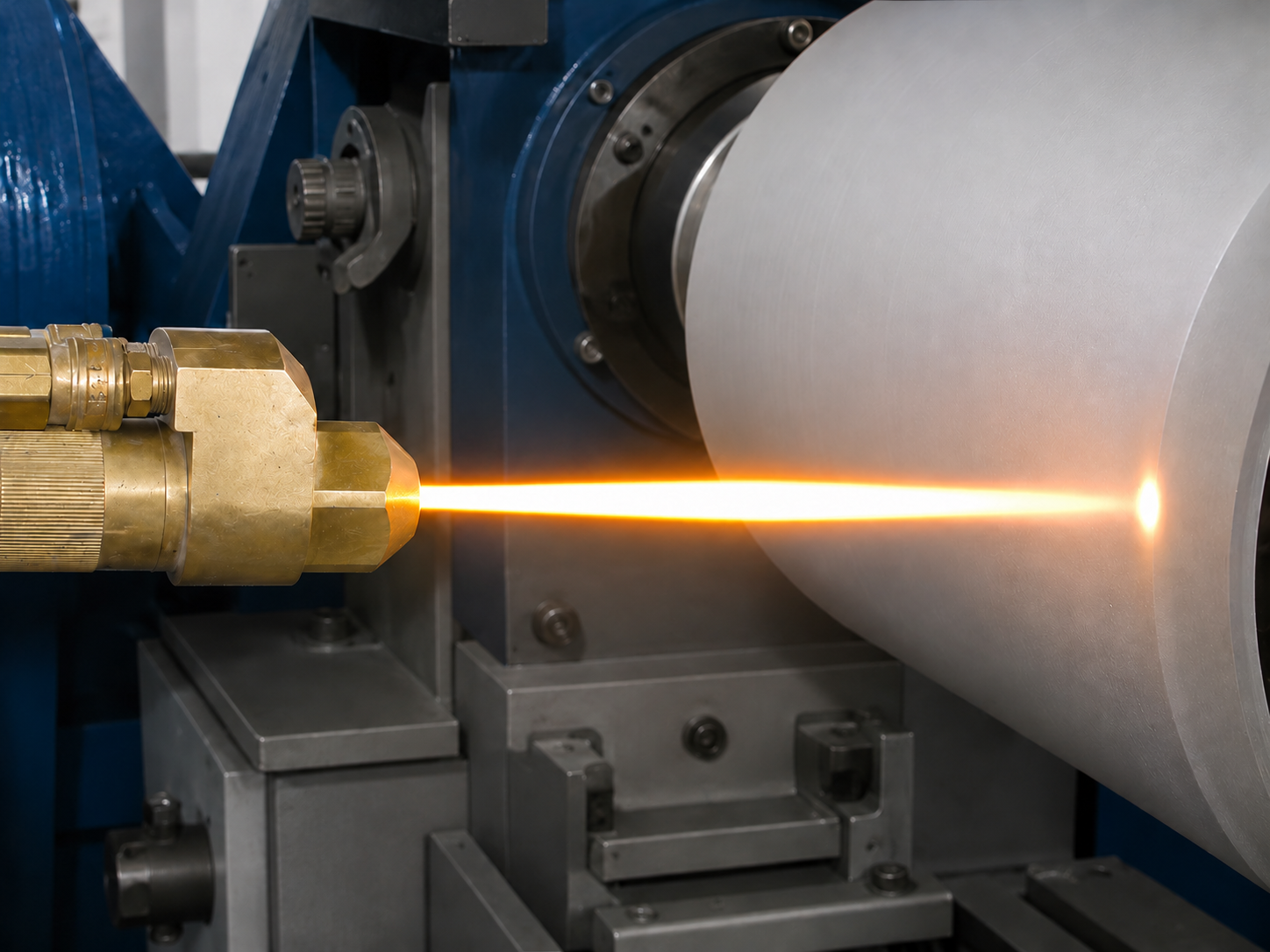
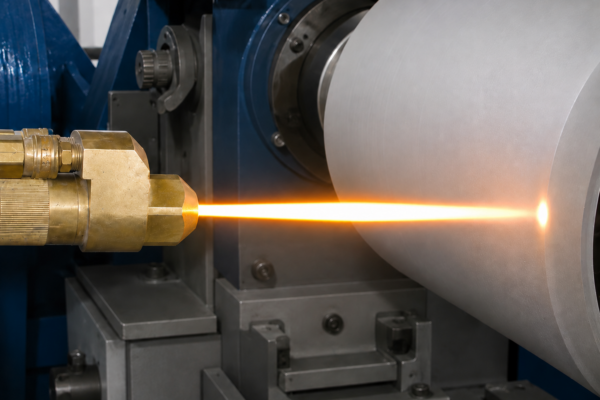
HVOF (High Velocity Oxy-Fuel) is an advanced thermal spray process that uses the controlled combustion of oxygen and fuel to generate a high-velocity gas stream.
The coating material particles are heated and accelerated toward the previously prepared surface, forming dense, homogeneous layers with high adhesion to the substrate.
The process's high kinetic energy yields coatings with low porosity, excellent structural integrity, and high performance in critical industrial applications.
WHEN TO USE HVOF COATING
HVOF is suitable for extending the service life of and protecting components that operate under severe conditions and require high wear and corrosion resistance, such as:
✓ Severe abrasive wear
✓ Corrosion in chemical and industrial environments
✓ High mechanical loads
✓ Critical components with high added value
✓ Environments with high operational demands
✓ Need for refurbishment as an alternative to replacement
Materials used in the HVOF process
The HVOF process allows for the application of various metallic and composite materials, selected based on the operating conditions and the performance required for each component.
Among the main materials applied are:
✓ Tungsten carbides
✓ Chromium carbides
✓ Nickel-based alloys
✓ Chromium-based alloys
✓ Special materials for high wear and corrosion resistance
INDUSTRIAL APPLICATIONS
COMPONENTS
✓ Compressor rods
✓ Industrial pump components
✓ Industrial cylinders
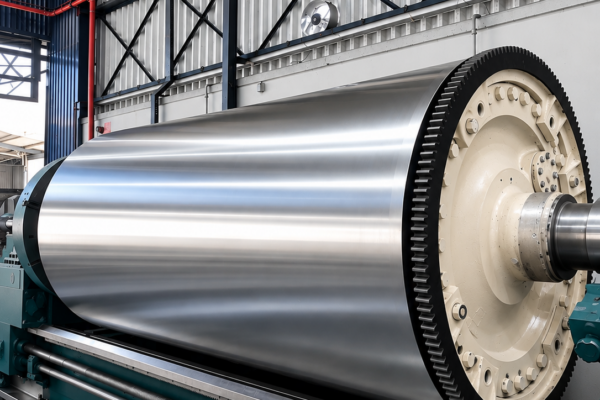
✓ Shafts, rollers, and other critical components
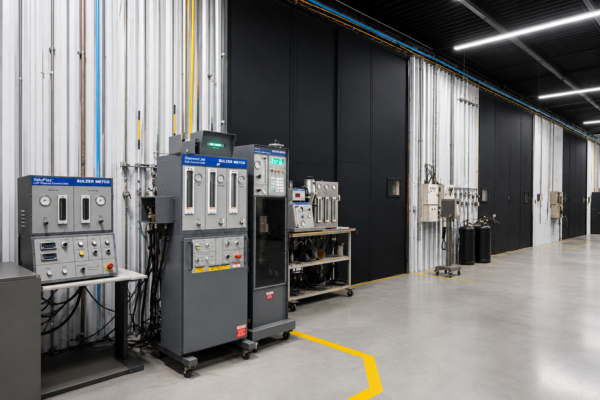
PLASMA SPRAY
PLASMA SPRAY
Advanced thermal spray technology used to apply coatings with high protective capacity and performance under severe operating conditions.
PLASMA SPRAY TECHNOLOGY
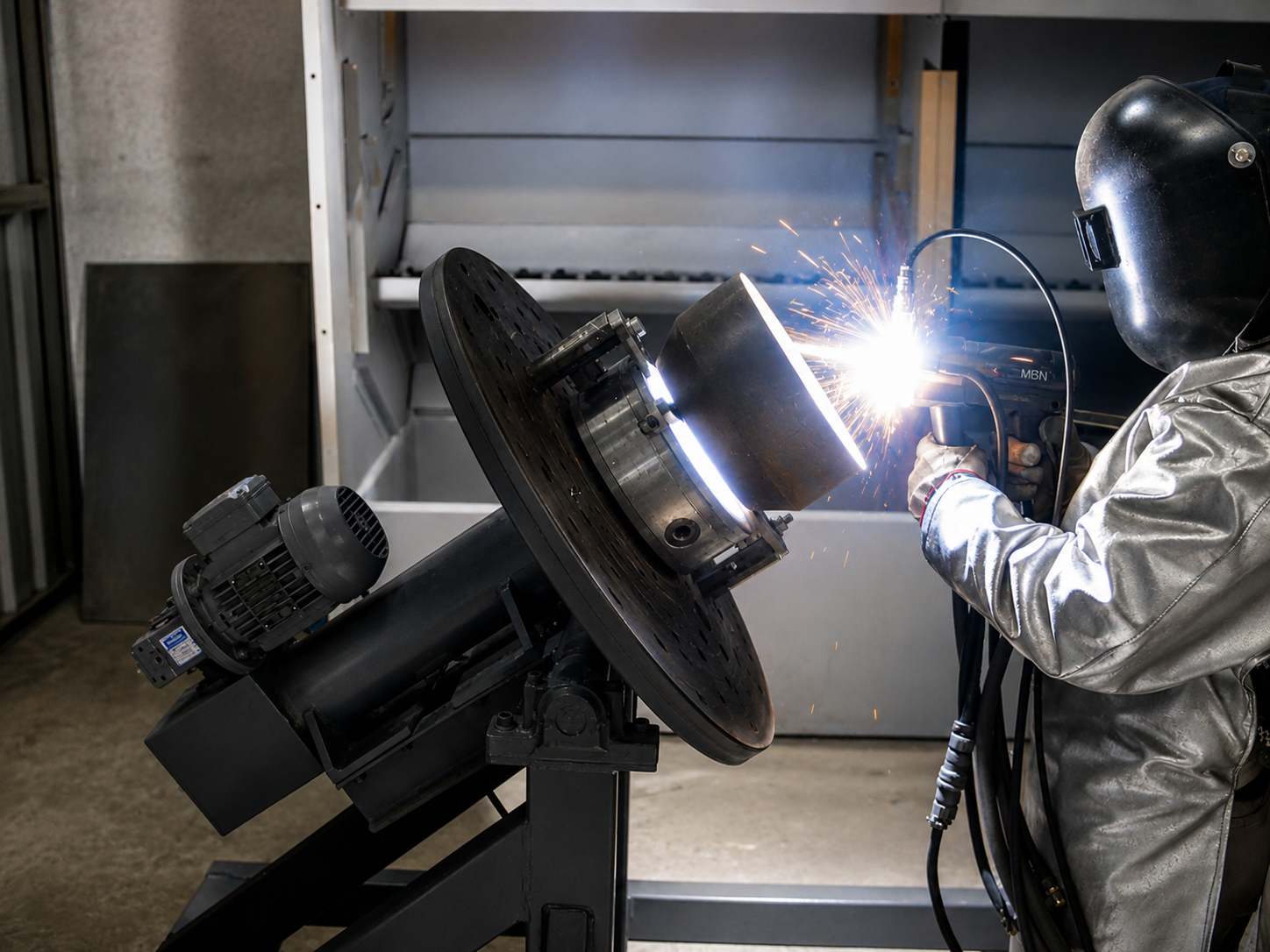
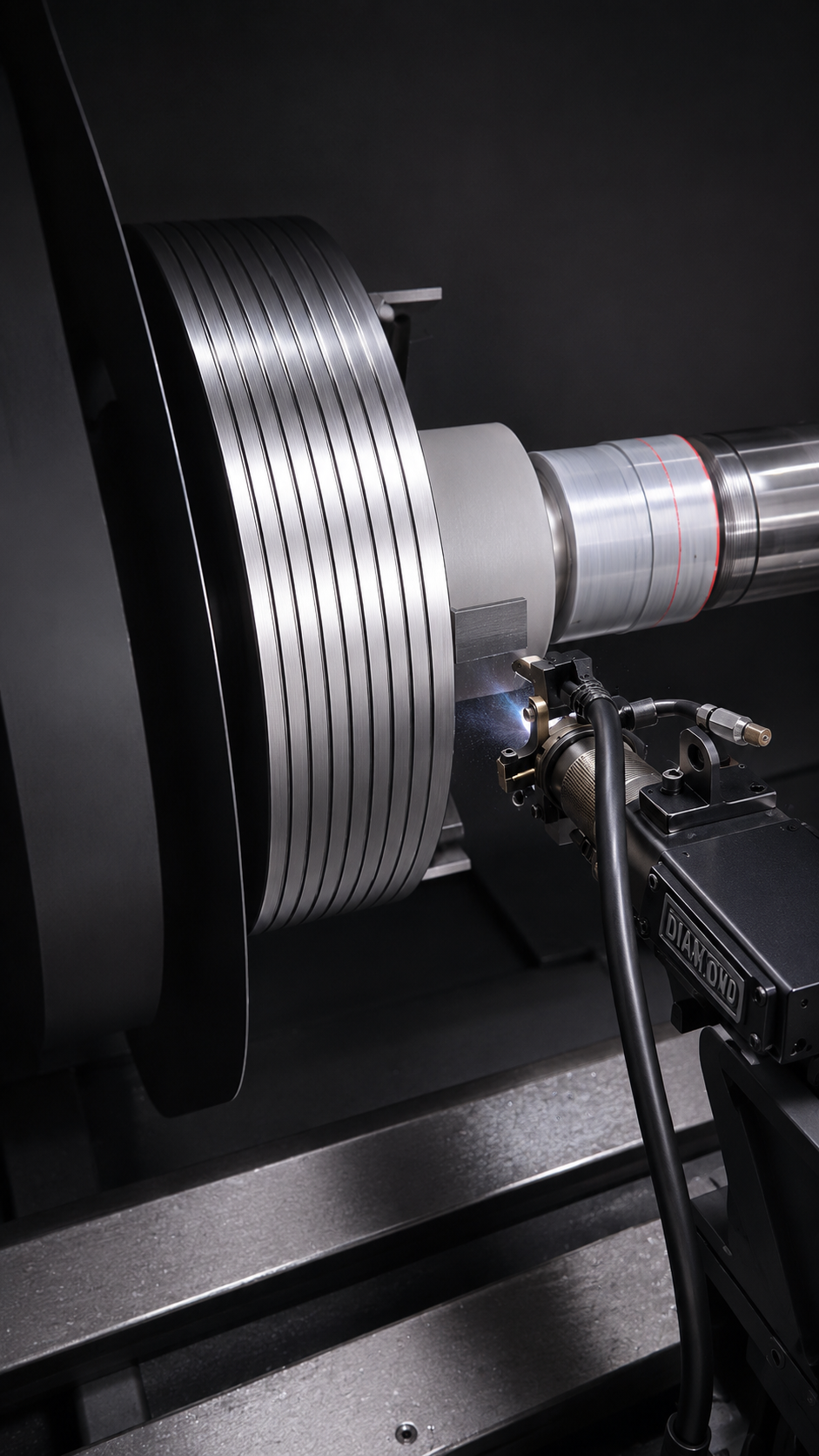
Plasma spraying is an advanced thermal spray process that uses an electric arc to ionize gases and generate an extremely high-temperature plasma jet.
Coating materials in powder form are introduced into the plasma jet, heated, and projected at high velocity onto a previously prepared surface. Upon striking the substrate, the particles form layers with controlled thickness, microstructure, and properties.
The process's high thermal capacity enables the use of a wide variety of materials and the development of coatings for highly demanding industrial applications.
WHEN TO USE PLASMA SPRAY
Plasma spray is suitable for components that operate under severe conditions or require specific surface properties, such as:
✓ Exposure to high temperatures
✓ Need for thermal insulation
✓ Need for electrical isolation
✓ Wear under severe operating conditions
✓ Applications with specific functional requirements
✓ Recovery or protection of high-value-added components
Materials used in plasma spraying
The materials are selected by Revesteel Engineering based on the operating conditions and the properties required for each component.
Among the main materials applied are:
✓ Technical ceramics
✓ Metal oxides
✓ Special metal alloys
✓ Composite materials
✓ Materials with specific thermal, electrical, and tribological properties
KEY COMPONENTS SERVICED
✓ Industrial shafts, rollers, and cylinders
✓ Pump liners and components
✓ Rings, bushings, and sealing surfaces
✓ Turbine and thermal equipment components
✓ Components intended for electrical insulation
✓ High-value-added critical parts
ARC SPRAY – ELECTRIC ARC
ARC SPRAY / ELECTRIC ARC
Efficient and versatile thermal spray process for corrosion and wear protection, dimensional restoration, and the application of metallic coatings.
✓ Protection against corrosion and wear
✓ Dimensional restoration of surfaces
✓ High deposition rate
✓ High application productivity
✓ Efficient application on large surfaces and components
✓ Excellent value for money
ARC SPRAY / ELECTRIC ARC TECHNOLOGY
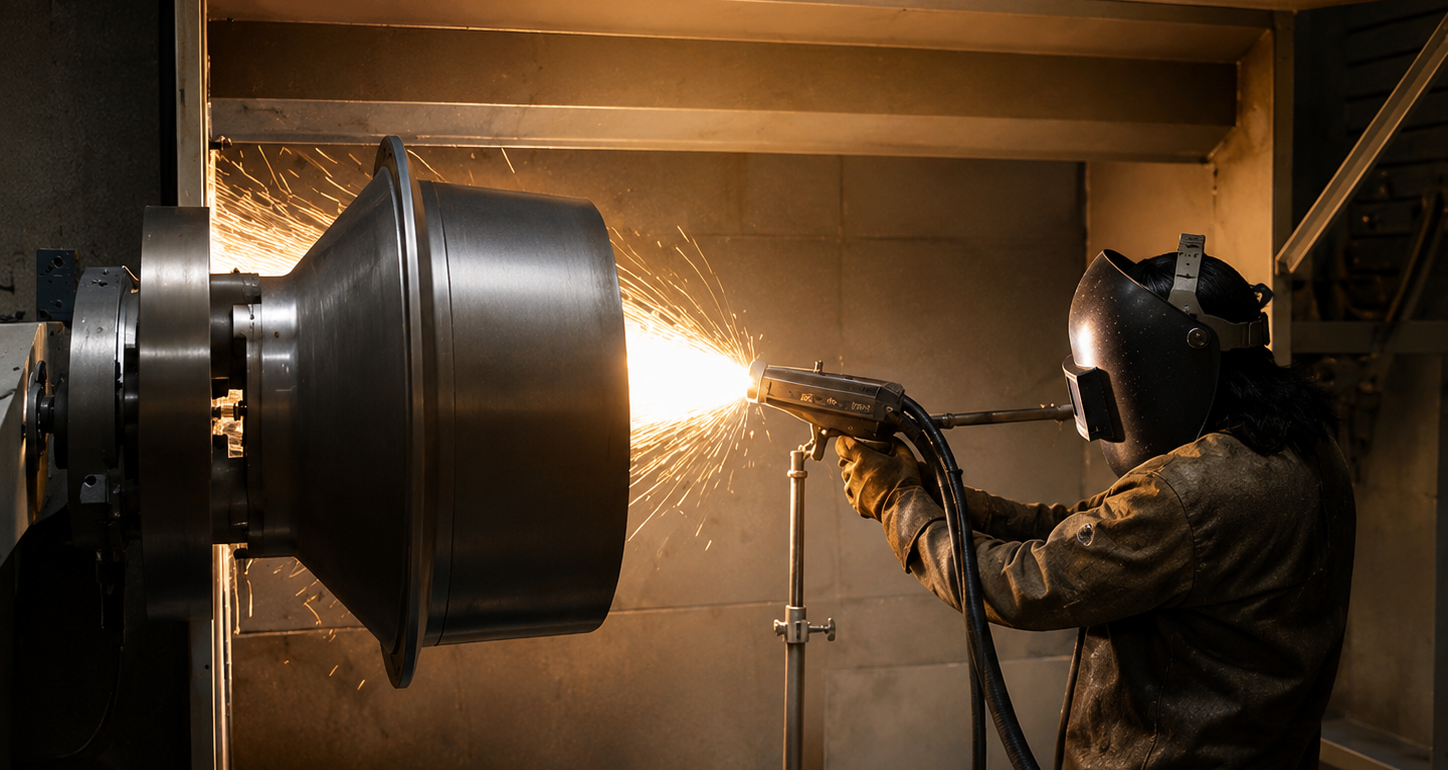
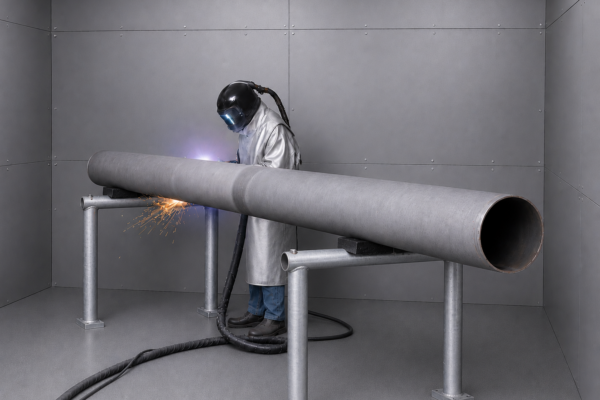
Arc spray is a thermal spray process that uses two continuously fed, electrically conductive metal wires. An electric arc formed between the tips of the wires causes them to melt, while a jet of compressed air atomizes and projects the molten material onto a previously prepared surface.
Upon striking the substrate, the particles form successive layers, creating a metallic coating with controlled thickness and properties. The process allows for the application of various metals and alloys, tailored to the technical requirements and operating conditions of each component or structure.
WHEN TO USE ELECTRIC ARC COATING
The process is suitable for the protection and restoration of components and structures requiring corrosion and wear resistance or dimensional restoration, such as:
✓ Components exposed to corrosive environments
✓ Metal structures exposed to the elements
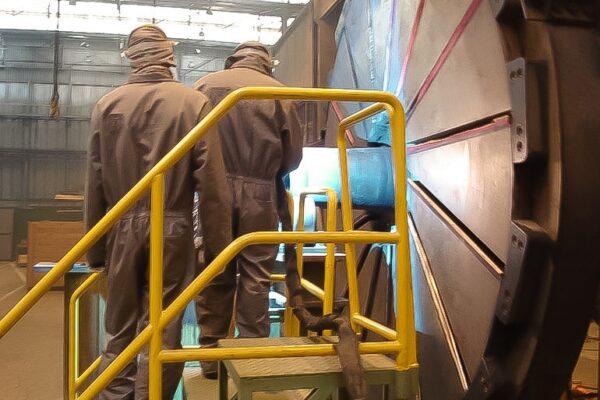
✓ Large-scale industrial equipment
✓ Worn surfaces or surfaces with dimensional loss
✓ Assets requiring durable anti-corrosion protection
✓ Applications requiring high productivity and excellent cost-effectiveness
Materials used in arc spray
The process allows for the use of different metal wires, selected based on operating conditions and the performance required for each application.
Among the main materials applied are:
✓ Zinc
✓ Aluminum
✓ Zinc-aluminum alloys
✓ Special steels and alloys
✓ Metal alloys for protection against corrosion and wear
KEY COMPONENTS AND STRUCTURES SERVICED
✓ Industrial shafts, rollers, and cylinders
✓ Casings and housings
✓ Tanks and reservoirs
✓ Metal structures
✓ Bridges and civil structures
✓ Large-scale components
✓ Surfaces requiring dimensional restoration
FLAME SPRAY – POWDER
FLAME SPRAY – POWDER
Versatile thermal spray process for dimensional restoration and the application of coatings designed for protection against wear and corrosion.
✓ Dimensional restoration of worn surfaces
✓ Protection against wear and corrosion
✓ Application of different materials
✓ Versatility for component maintenance and refurbishment
✓ Efficient and cost-competitive process
FLAME SPRAY TECHNOLOGY — POWDER
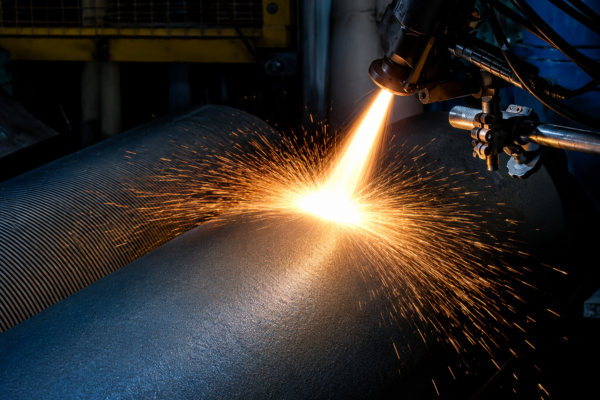
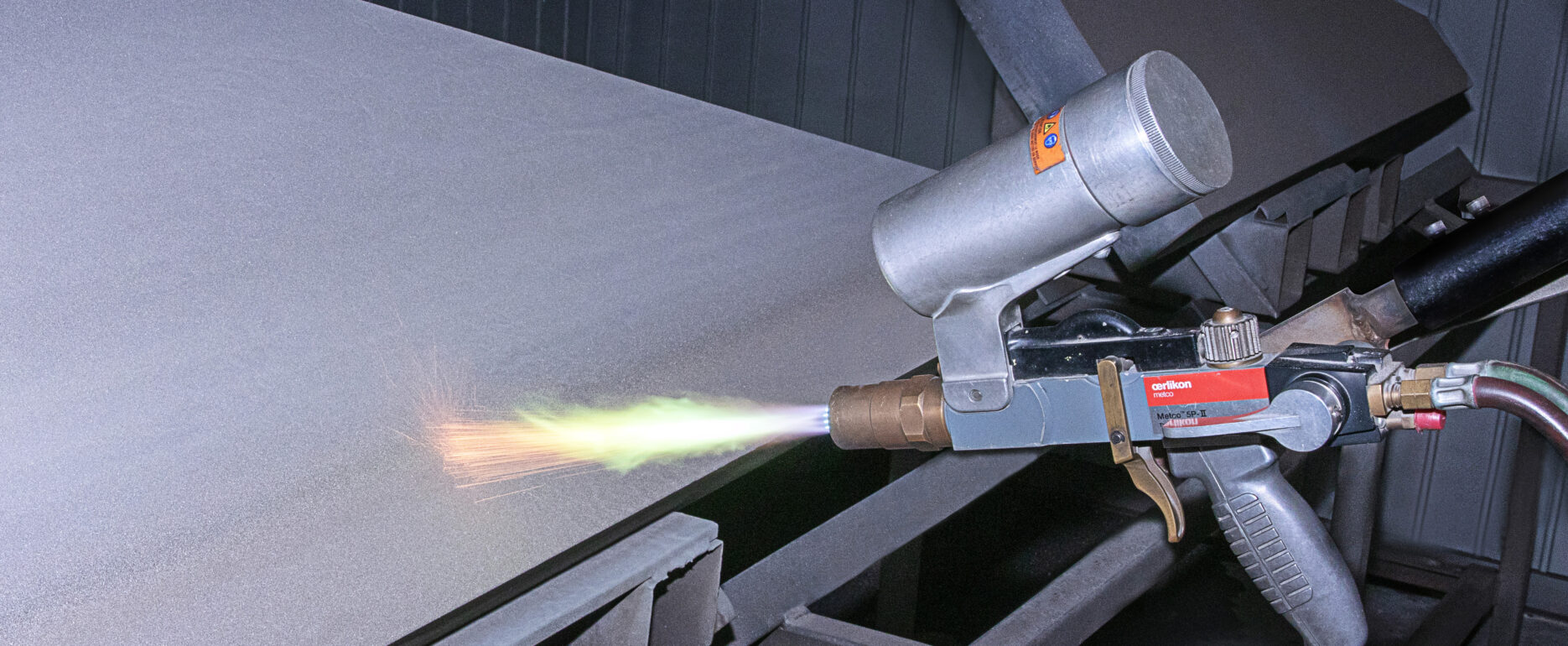
Powder Flame Spray is a thermal spray process in which the coating material, in powder form, is introduced into a flame produced by the controlled combustion of oxygen and fuel gas. The particles are heated and projected onto the previously prepared surface.
Upon reaching the substrate, the particles form successive layers, creating a coating with controlled thickness and properties. The selection of the material and process parameters is based on the technical requirements and operating conditions of each component.
WHEN TO USE FLAME SPRAY — POWDER
The process is suitable for the restoration and protection of components that exhibit wear or dimensional loss, or require specific surface properties.
✓ Worn surfaces or surfaces with dimensional loss
✓ Components subject to wear and corrosion
✓ Restoration of component functional areas
✓ Industrial maintenance and restoration applications
✓ Components requiring coatings with specific properties
MATERIALS USED IN FLAME SPRAY — POWDER
The process allows for the application of different powdered materials, selected according to the operating conditions and the performance required for each component.
Among the main materials applied are:
✓ Nickel-based alloys
✓ Cobalt-based alloys
✓ Steels and metal alloys
✓ Materials for wear and corrosion resistance
✓ Materials specifically for dimensional restoration
KEY COMPONENTS SERVICED
✓ Settlement axes and areas
✓ Bearings and housings
✓ Industrial rolls and cylindersIndustrial rolls and cylinders
✓ Components with wear or dimensional loss
✓ Surfaces subject to wear and corrosion
✓ Parts intended for industrial maintenance and refurbishment
FLAME SPRAY – WIRE
FLAME SPRAY – WIRE
Versatile thermal spray process for dimensional restoration and the application of metallic coatings designed for protection against wear and corrosion.
✓ Dimensional restoration of worn surfaces
✓ Protection against wear and corrosion
✓ Continuous material feeding
✓ Good application productivity
✓ Application across various geometries and dimensions
✓ Excellent value for money
FLAME SPRAY TECHNOLOGY — WIRE
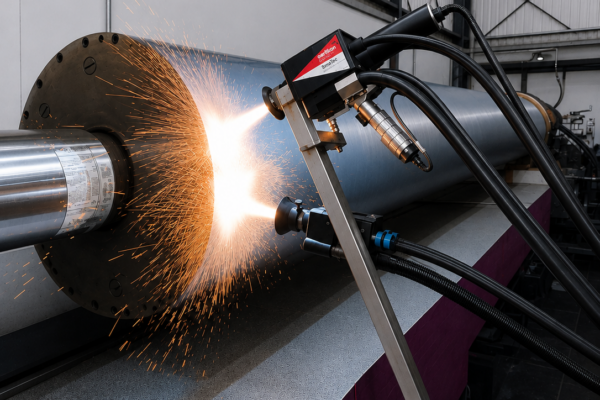
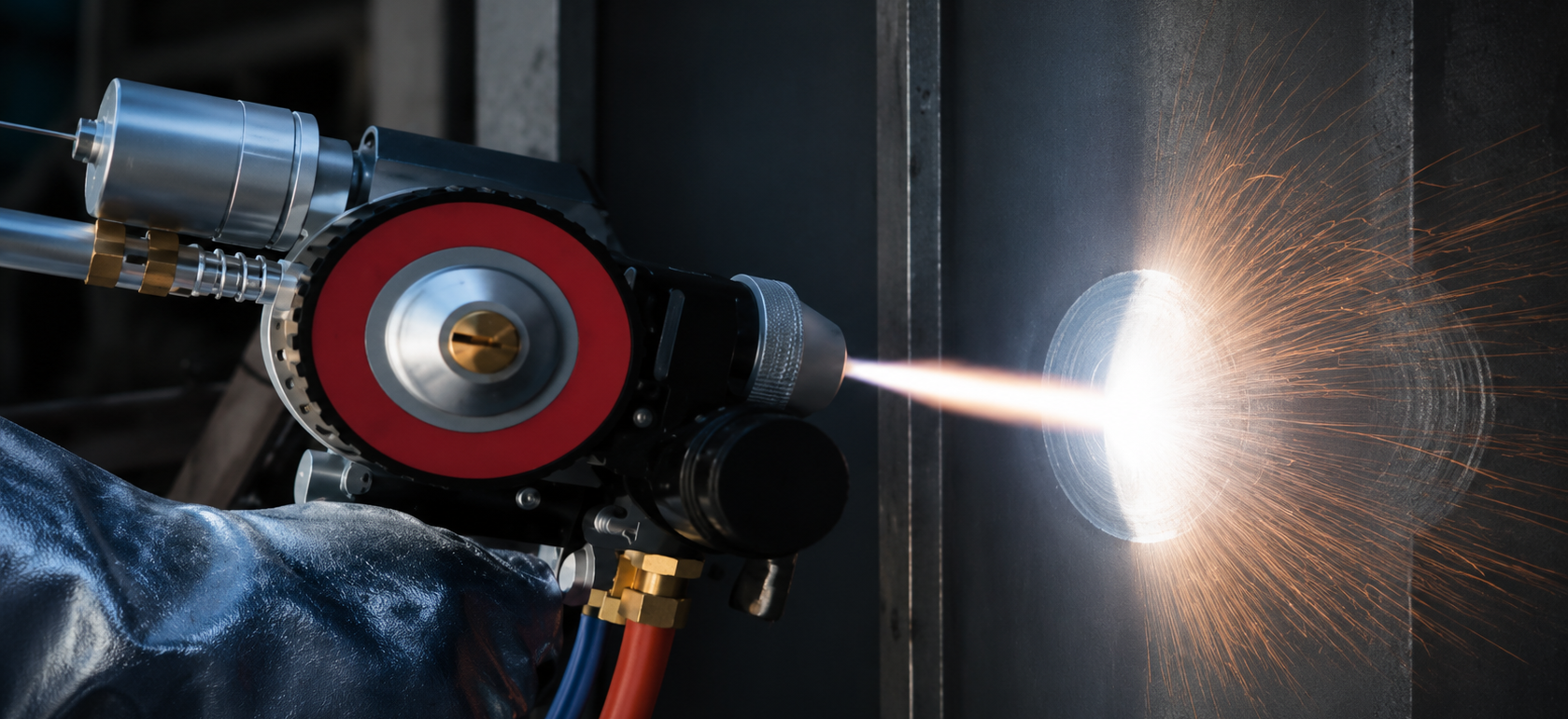
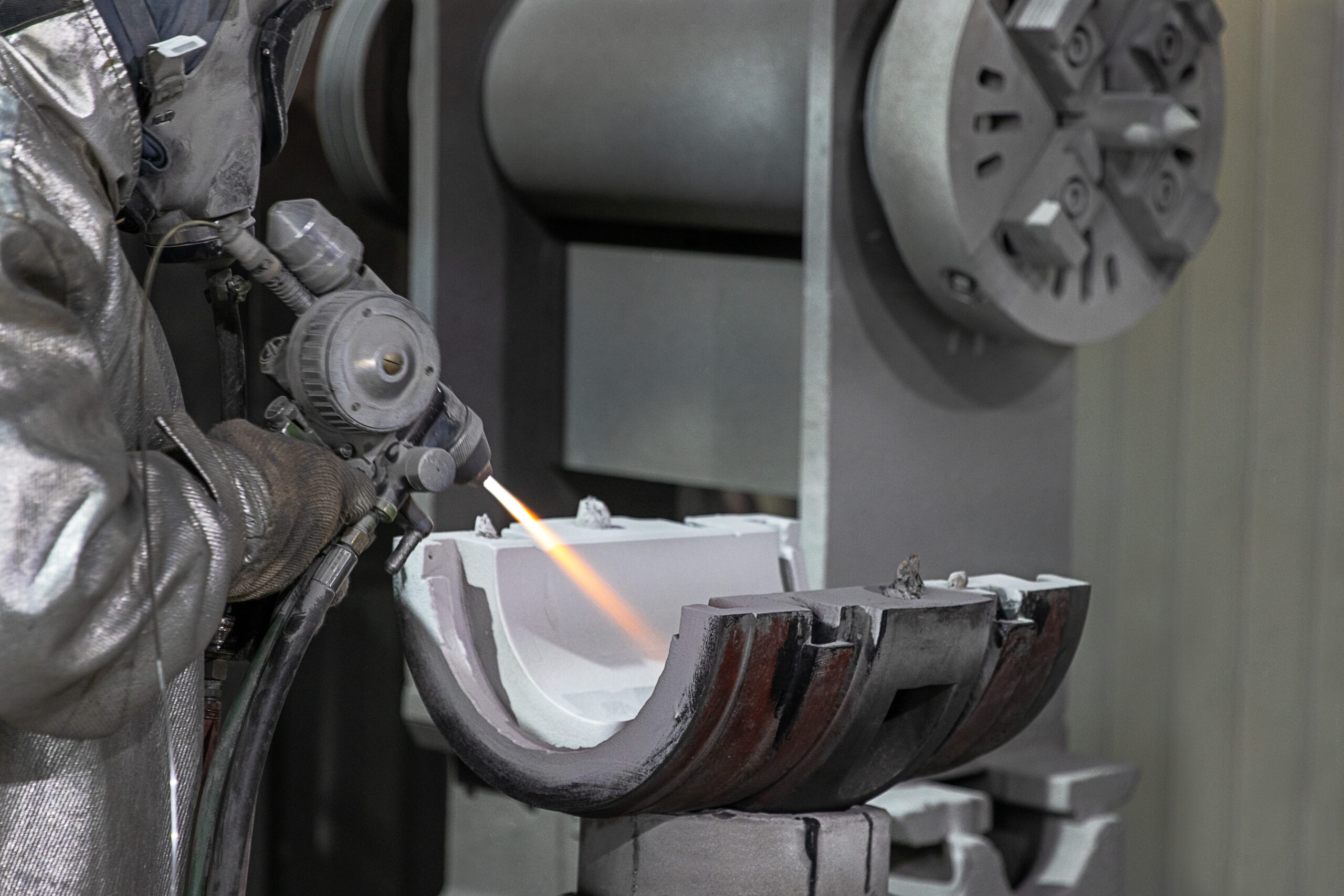
Wire flame spraying is a thermal spray process in which the coating material, supplied in wire form, is continuously fed into a flame produced by the controlled combustion of oxygen and fuel gas. The tip of the wire is melted, and the material is atomized by a jet of compressed air, which projects the particles onto the previously prepared surface.
Upon reaching the substrate, the particles solidify and form successive layers, constituting the coating. The thickness and characteristics of the layer are controlled by the parameters defined for the process.
WHEN TO USE FLAME SPRAY — WIRE
The process is suitable for the protection and restoration of components subject to:
✓ Loss of dimensional tolerances
✓ Moderate operational wear
✓ Corrosion in industrial environments
✓ Localized or continuous wear
✓ Need for refurbishment as an alternative to replacement
✓ Applications requiring efficiency and excellent cost-effectiveness
MATERIALS USED IN FLAME SPRAY — WIRE
The process allows for the application of various metallic materials in wire form, selected according to the operating conditions and the performance required for each component.
Among the main materials applied are:
✓ Zinc
✓ Aluminum
✓ Steels and metal alloys
✓ Corrosion-resistant alloys
✓ Materials intended for dimensional restoration
KEY COMPONENTS SERVICED
✓ Industrial corridors
✓ Rollers and cylinders
✓ Bearings and housings
✓ Mechanical components
✓ Sealing areas
✓ Parts with localized wear
✓ Components with dimensional loss